





Oil Markets Face Volatility Amid Middle East Tensions in 2026
Oil markets are experiencing sharp price swings in early 2026 as geopolitical tensions in the Middle East continue to shape global supply and demand dynamics. Prices briefly climbed toward $120 per barrel amid fears that conflict involving Iran could disrupt shipments through the Strait of Hormuz, a key chokepoint responsible for around 20 % of global oil exports. These developments heightened concerns over potential shortages and increased energy costs worldwide.
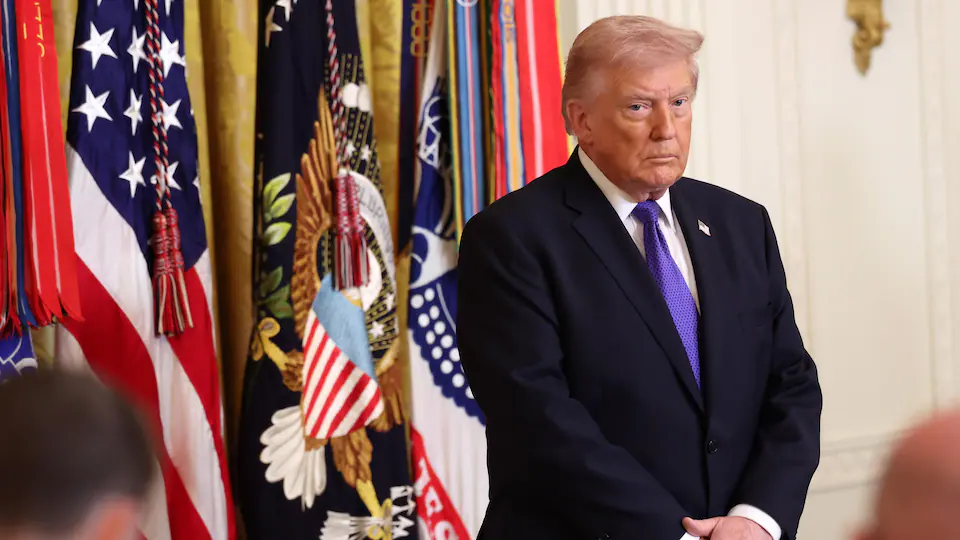
Markets temporarily calmed when U.S. leadership suggested a potential de-escalation, sending crude prices sharply lower. However, uncertainty remains elevated, and investors continue to monitor geopolitical developments closely. Policymakers are exploring measures to mitigate rising energy costs and ease inflationary pressure on both consumers and businesses. One strategy under consideration is the release of strategic oil reserves, alongside reviews of domestic policy options aimed at stabilizing prices.
Economists note that this volatility is driven by both real supply risks including threats to regional shipping lanes, production outages, and political instability and market sentiment, which can amplify price swings even when fundamentals such as global inventory levels suggest adequate supply. This dual influence makes the oil market highly sensitive to news, statements by leaders, and evolving international relations.
The impact of these fluctuations extends beyond the energy sector. Businesses across multiple industries, from airlines and transportation to manufacturing and logistics, are watching oil trends closely, as fuel costs directly affect operational expenses and pricing strategies. Consumers may also feel the ripple effects through higher transportation and energy bills, further highlighting the importance of careful monitoring and risk management.
Why This Matters
- Geopolitical influence: Middle East tensions directly impact global oil supply and pricing.
- Policy responses: Governments consider strategic reserves and domestic measures to stabilize markets.
- Business implications: Oil price volatility affects operating costs across multiple industries.
- Economic significance: Energy costs influence inflation, consumer spending, and broader economic conditions.