





Historical Roots and Current Trends
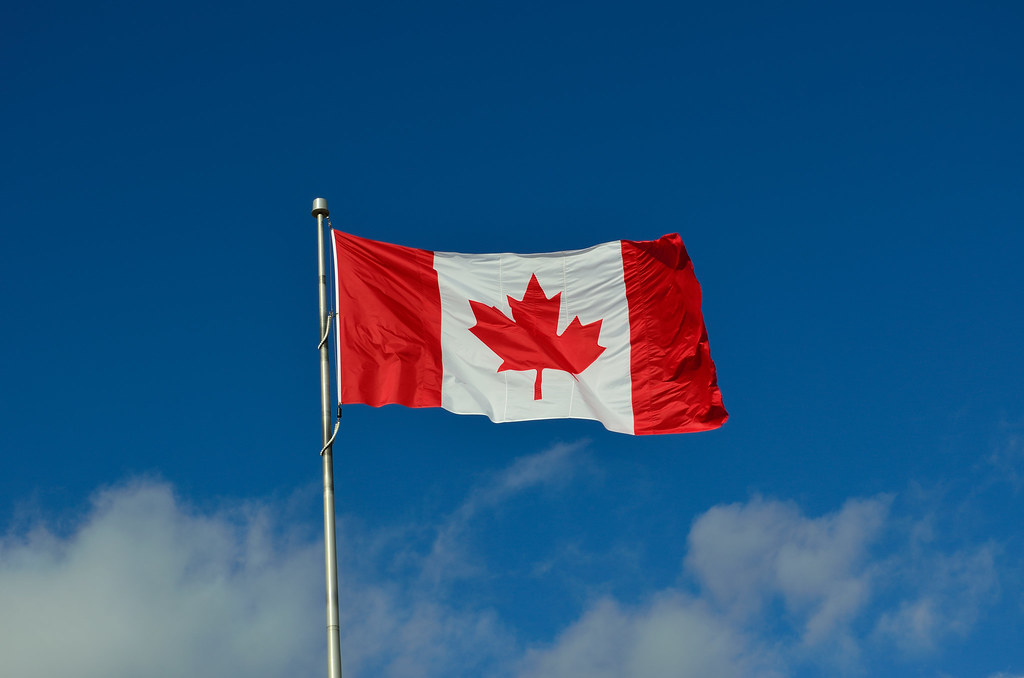
Separatist movements in Canada, particularly in Quebec, have a long and complex history, rooted in cultural, linguistic, and political differences. These movements seek varying degrees of autonomy or outright independence from Canada, often reflecting concerns about preserving French language, culture, and identity. While Quebec remains the most prominent region with a strong separatist tradition, other provinces and regions have occasionally seen minor independence or autonomy movements.
Quebec’s separatist sentiment gained international attention during the 1980s and 1990s, culminating in two referendums on sovereignty. The first, in 1980, was decisively defeated, while the 1995 referendum came extremely close, with 50.58 % voting to remain in Canada. These events highlighted the deep divisions within Quebec society and the broader Canadian federation. Separatist parties, such as the Parti Québécois (PQ), have played key roles in provincial politics, pushing for policies that strengthen Quebec’s autonomy within the federal system.
In recent years, support for full independence in Quebec has fluctuated, influenced by generational shifts, economic concerns, and debates over language and cultural preservation. While separatist parties still exist and occasionally influence provincial policies, public opinion polls show that the majority of Quebecers currently prefer remaining part of Canada, though with strong protections for the French language and culture.
Beyond Quebec, there are smaller separatist movements in other parts of Canada, such as Western provinces like Alberta and Saskatchewan, where some political groups advocate for greater provincial autonomy or even independence. These movements are often driven by economic grievances, resource management disputes, or perceived federal overreach. While these movements have less widespread support than Quebec separatism, they occasionally shape provincial and national political debates.
Canada’s federal government has historically emphasized unity and accommodation, balancing national policies with respect for provincial powers and cultural diversity. Efforts such as official bilingualism and decentralized federalism aim to address grievances that fuel separatist sentiment, maintaining cohesion across the country’s ten provinces and three territories.
Why This Matters
- Cultural identity: Separatism reflects efforts to preserve language, traditions, and regional heritage.
- Political influence: Separatist parties impact provincial and national policies.
- Public opinion: Support varies by region and over time, influencing referendum prospects.
- Federal response: Policies like bilingualism and provincial autonomy aim to maintain national unity.